What to Do If Toilet Keeps Running
- kanepaul
- May 3
- 6 min read
A toilet that will not stop running is hard to ignore. You hear it through the wall at night, you know it is wasting water, and there is always the worry that a small fault will turn into a bigger plumbing job. If you are wondering what to do if toilet keeps running, the good news is that the cause is often straightforward and the first checks are simple.
In most homes, a running toilet comes down to one of a few issues inside the cistern. The flush valve may not be sealing properly, the fill valve may be set too high or sticking, or the chain may be preventing the mechanism from dropping back into place. Sometimes it is a quick adjustment. Sometimes a worn part needs replacing. The key is knowing when a basic check is worth trying and when it is better to get a plumber in.
What to do if toilet keeps running first
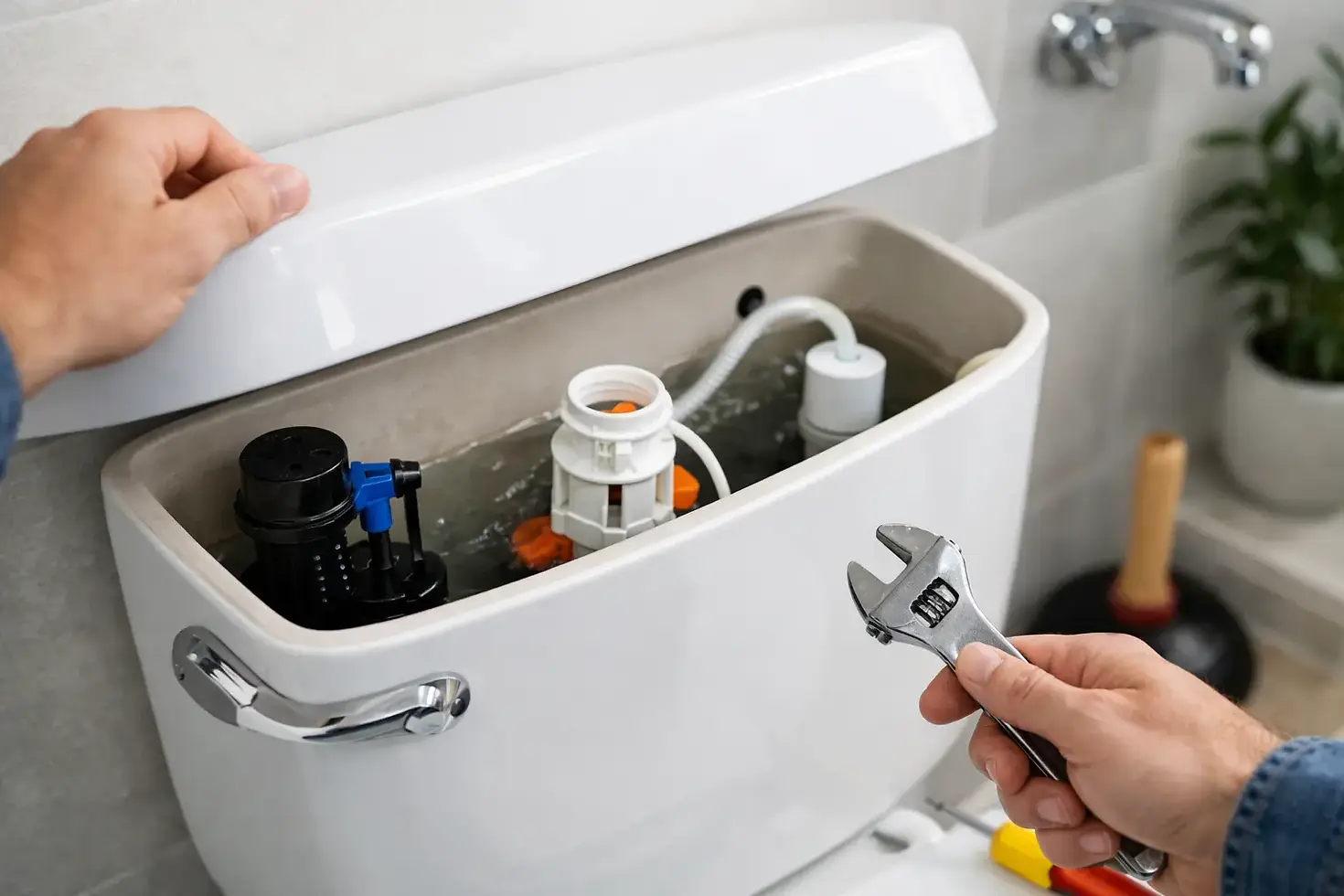
Start with the easiest step. Take off the cistern lid carefully and have a look inside while the toilet is running. You do not need specialist knowledge to spot the obvious. If the water level is sitting too high and spilling into the overflow, that points to the fill valve. If the toilet keeps trickling long after a flush and the water level drops slowly, the flush valve seal is often the issue.
Before touching anything, turn off the water supply to the toilet if you are unsure. There is usually an isolation valve on the pipe leading to the cistern. Turning this off can stop the constant refill while you inspect the inside. It also prevents more water being wasted while you decide what to do next.
If you are in a rented property, it is usually best to report the problem promptly rather than start taking fittings apart. For homeowners and landlords, a visual check is sensible, but there is no need to force anything. Toilet parts are not especially complicated, but older fittings can be brittle.
The most common reason a toilet keeps running
The most common cause is a flush valve that is not sealing fully after use. Inside the cistern, this valve lifts when you flush and should settle back into place once the water empties. If the seal is worn, misaligned or coated in limescale, a small amount of water carries on slipping through into the pan. The cistern then keeps refilling to replace it.
This is why a toilet may seem to run quietly rather than gush. You may only notice a faint hissing sound or a constant ripple in the pan. It is still worth dealing with quickly, because that steady loss adds up on your water bill.
In some cases, the seal can be cleaned and reseated. In others, the part is simply worn and needs replacement. That is often the point where calling a plumber makes sense, especially if the cistern design is awkward or built into furniture.
When the fill valve is the problem
The fill valve controls how much water enters the cistern after each flush. If it sticks open or is set too high, the water rises past the intended level and flows into the overflow. The toilet then keeps filling and running.
You might be able to see this happening directly. If the water level is close to the top of the overflow tube, or spilling into it, the fill valve needs adjustment or repair. Some modern valves have a simple adjustment clip or screw. Older ones can be less user-friendly and more prone to wear.
A minor adjustment can solve it, but if the valve is faulty, replacing it is the proper fix. Temporary fiddling may stop the noise for a day or two, but it rarely lasts if the mechanism itself is failing.
A trapped or misaligned chain
If your toilet has a handle and chain mechanism, check that the chain is not too tight or caught under the flush assembly. When this happens, the flush valve cannot drop fully back into position, so water keeps escaping from the cistern.
This is one of the simpler faults to spot and, in some cases, to correct. The chain should have a little slack when the toilet is at rest. Too much slack is not ideal either, but a chain that is too tight is more likely to cause a running toilet.
That said, if the internal parts are corroded, stiff or poorly fitted, adjusting the chain alone may not be enough. It can be the visible sign of a wider wear-and-tear issue inside the cistern.
Signs the problem is more than a quick fix
Not every running toilet is a DIY job. If the cistern is cracked, if water is leaking externally, or if the internal fittings look old and heavily scaled, a repair can become more involved than a simple adjustment. The same applies if you turn off the water and the toilet still behaves unpredictably once it is turned back on.
Another sign is repeat failure. If you have already adjusted the water level or moved the chain and the toilet starts running again within days, there is probably a worn part that needs replacing properly. Repeated small tweaks usually waste more time than they save.
Built-in and concealed cisterns can also be awkward to access. In those cases, forcing panels or trying to remove unfamiliar fittings can make the job more costly if something gets damaged.
What to avoid when dealing with a running toilet
It is tempting to keep flushing to see if the problem clears itself, but that usually just sends more water through a faulty mechanism. If possible, stop using that toilet until you have checked the cistern or had it looked at.
Avoid overtightening plastic fittings. A lot of toilet components are made from plastic and can crack under pressure. If something does not move easily, there is usually a reason.
It is also worth avoiding temporary homemade fixes. Wedging parts into place or tying the mechanism up might stop the sound for a while, but it often creates a bigger repair later. A toilet should flush cleanly and refill once, not rely on workarounds.
When to call a plumber
If you cannot clearly see the cause, if the toilet keeps running after a basic adjustment, or if there is any sign of leaking outside the cistern, it is time to call a professional. The same goes for older toilets where parts are worn across the whole flush system. Replacing one small piece may not be enough if the rest of the mechanism is nearing the end of its life.
For households in Exeter and the surrounding area, getting a local plumber in can save time and stop ongoing water waste. A proper repair usually involves identifying whether the issue sits with the fill valve, the flush valve, the seal, or the overall condition of the cistern fittings. Once the right part is replaced and set correctly, the problem is normally resolved without fuss.
For landlords, there is also the practical side to think about. A constantly running toilet can become a tenant complaint very quickly, especially in smaller properties where noise carries. Sorting it promptly is better for the property and for the relationship with the occupant.
Can a running toilet become an emergency?
Usually, a running toilet is urgent rather than an outright emergency. It is unlikely to flood the room if the overflow is working as it should, but it can waste a significant amount of water and become a real nuisance. If the problem is combined with leaking around the base, water escaping from pipework, or a cistern that will not stop filling at all, the situation becomes more serious.
If you are ever unsure, turn off the isolation valve and seek advice. That one step can prevent further waste and give you breathing room to arrange a repair.
Preventing the same issue happening again
Toilet internals wear out over time, especially in hard water areas where limescale builds up on seals and moving parts. You cannot prevent every fault, but you can reduce the chance of repeat problems by not forcing handles, getting small issues checked early, and replacing tired internal fittings before they fail completely.
If one toilet in the property is starting to stick, hiss or refill oddly, it is often worth paying attention rather than waiting for it to become constant. Catching the problem early can mean a simpler repair and less inconvenience.
A running toilet is rarely something to ignore, but it is also not something to panic about. In many cases, the fault is contained within the cistern and can be put right quickly. If the cause is not obvious or the repair does not hold, getting practical help from a local plumber is the sensible next step. A quiet toilet and a lower water bill are usually well worth it.


Comments