
Power Flushing Exeter - Is Your Heating Sluggish?
- kanepaul
- May 4
- 5 min read
Cold patches on radiators, noisy pipes and a boiler that seems to work harder than it should usually point to one thing - a heating system that is not circulating properly. If you are searching for power flushing Exeter services, you are probably not looking for theory. You want to know whether it will fix the problem, whether it is worth the cost, and when to call someone local to take a proper look.
Power flushing is a professional clean for your central heating system. Over time, rust, sludge and general debris can build up inside radiators, pipework and other components. That build-up restricts water flow, leaves some radiators lukewarm or cold at the bottom, and can put extra strain on the boiler and pump. A proper flush is designed to clear that out and get the system working more efficiently again.
What power flushing in Exeter is meant to fix
Most homeowners do not realise how much circulation affects day-to-day heating performance until rooms start taking longer to warm up. One radiator may stay cold while another gets hot. You might hear banging, gurgling or humming from the system. In some cases, the boiler cuts out or struggles to heat the property evenly.
Power flushing in Exeter is usually recommended when there are signs of internal build-up rather than a single isolated fault. If one radiator is not heating because of a simple valve issue, a flush may not be necessary. If several radiators are slow, patchy or noisy, that points more towards sludge in the system.
This is why a proper assessment matters. Power flushing is useful, but it is not the answer to every heating problem. A straightforward local engineer should tell you when it makes sense and when a smaller repair is the better option.
Common signs your system may need power flushing Exeter services
The clearest sign is uneven heat. If radiators are hot at the top and cold at the bottom, that often suggests sludge has settled inside. Brown or dirty water when a radiator is bled is another warning sign. You may also notice that certain rooms never seem to get fully warm, even when the heating is on for long periods.
Noise is another clue. A heating system should not sound like it is struggling. If you are hearing persistent rattling, gurgling or knocking, there may be trapped air or circulation problems caused by internal debris.
There is also the issue of rising running costs. When the system has to work harder to move hot water around the property, it can become less efficient. That does not mean every high bill calls for a flush, but if heating performance has dropped at the same time, the two can be connected.
Landlords and property owners in Exeter also tend to spot the problem during changeovers or maintenance visits. A tenant may report that the heating is on but the property still feels cold. In older systems especially, sludge build-up is not unusual.
What happens during a power flush
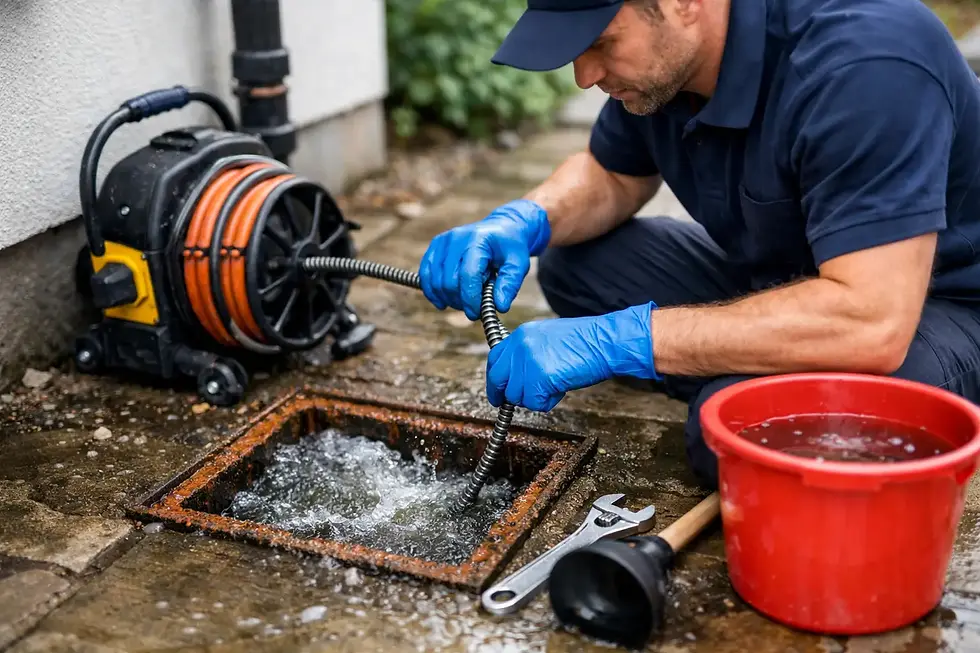
A professional power flush uses specialist equipment to move water and cleaning chemicals through the heating system at high flow, helping to loosen and remove sludge, rust and debris. Each radiator is worked through so the contamination can be cleared as thoroughly as possible.
The exact method can vary depending on the property and the condition of the heating system. Some jobs are fairly routine. Others take longer because the build-up is heavier or the system is older. That is why there is no sensible one-price-fits-all answer without inspecting the system first.
Once the cleaning stage is complete, the system is usually refilled with clean water and a suitable inhibitor to help reduce future corrosion. That part matters. Without protection afterwards, the same issues can start building up again sooner than they should.
For the customer, the main point is simple. The aim is to restore circulation, improve radiator performance and reduce stress on key heating components.
Is power flushing always worth it?
Sometimes yes, sometimes no. That is the honest answer.
If your heating system is clearly suffering from sludge build-up, power flushing can make a noticeable difference. Radiators heat more evenly, warm-up times improve, and the boiler is not fighting against poor circulation. In those cases, it can be money well spent because it helps avoid bigger issues developing later.
But if the problem is a faulty pump, damaged valve, trapped air in one area, or a component that has simply worn out, flushing alone will not solve it. There are also cases where an older system may need repairs alongside cleaning work. That is why the job should start with diagnosis, not guesswork.
For many Exeter households, the real value is in preventing avoidable wear. A system clogged with debris can put pressure on parts that are expensive to replace. Cleaning it before that damage escalates can be the more practical route.
Older properties and heating systems in Exeter
Exeter has a mix of housing stock, from older period homes to newer developments, and that can affect how likely a system is to need a flush. Older properties often have older radiators and pipework, and if the heating system has not been maintained consistently over the years, sludge can build up gradually without anyone noticing at first.
That does not mean every older home needs power flushing. It does mean these systems are more likely to show the classic signs - slow heating, cold spots, recurring noise and poor circulation. In newer properties, the issue can still happen, particularly if the system was not properly cleaned and protected when installed or altered.
A local engineer who regularly works across Exeter and the surrounding area is more likely to have seen the same patterns before. That familiarity helps when judging whether a flush is the right call or whether another repair should come first.
How long does it take and what should you expect?
Most power flushing jobs are completed within a day, although larger properties or heavily affected systems can take longer. The size of the heating system, the number of radiators and the level of contamination all make a difference.
Customers usually want to know whether the process is disruptive. Any heating work in the home involves some practical setup, but a properly organised job should be handled with care and explained clearly from the start. You should know what is being done, why it is being done and what result is realistic.
It is also worth asking what happens after the flush. A good service does not just stop once the sludge is removed. The system should be checked, refilled correctly and protected so the benefit lasts.
When to call for professional advice
If your radiators are taking longer to heat, some are staying cold, or the system has become noisy and unreliable, it is worth getting it checked before the problem gets worse. Waiting too long can mean avoidable strain on the boiler and other heating components.
The best approach is a straightforward one. Get the system assessed, find out whether sludge build-up is actually the cause, and then decide on the right fix. That may be power flushing, or it may be a more targeted repair. Either way, you are better off dealing with the issue early.
For homeowners, tenants and landlords, the main thing is peace of mind. You want the heating to work properly, especially when the weather turns cold. If your system is showing the usual warning signs, a professional opinion can save time, frustration and repeat problems.
If you think your heating is underperforming and want honest advice on power flushing Exeter properties, speak to a local plumbing and heating professional who can inspect the system properly and recommend the next step. A good heating system should quietly do its job - and if yours is not, it is worth sorting before it becomes a bigger problem.


Comments