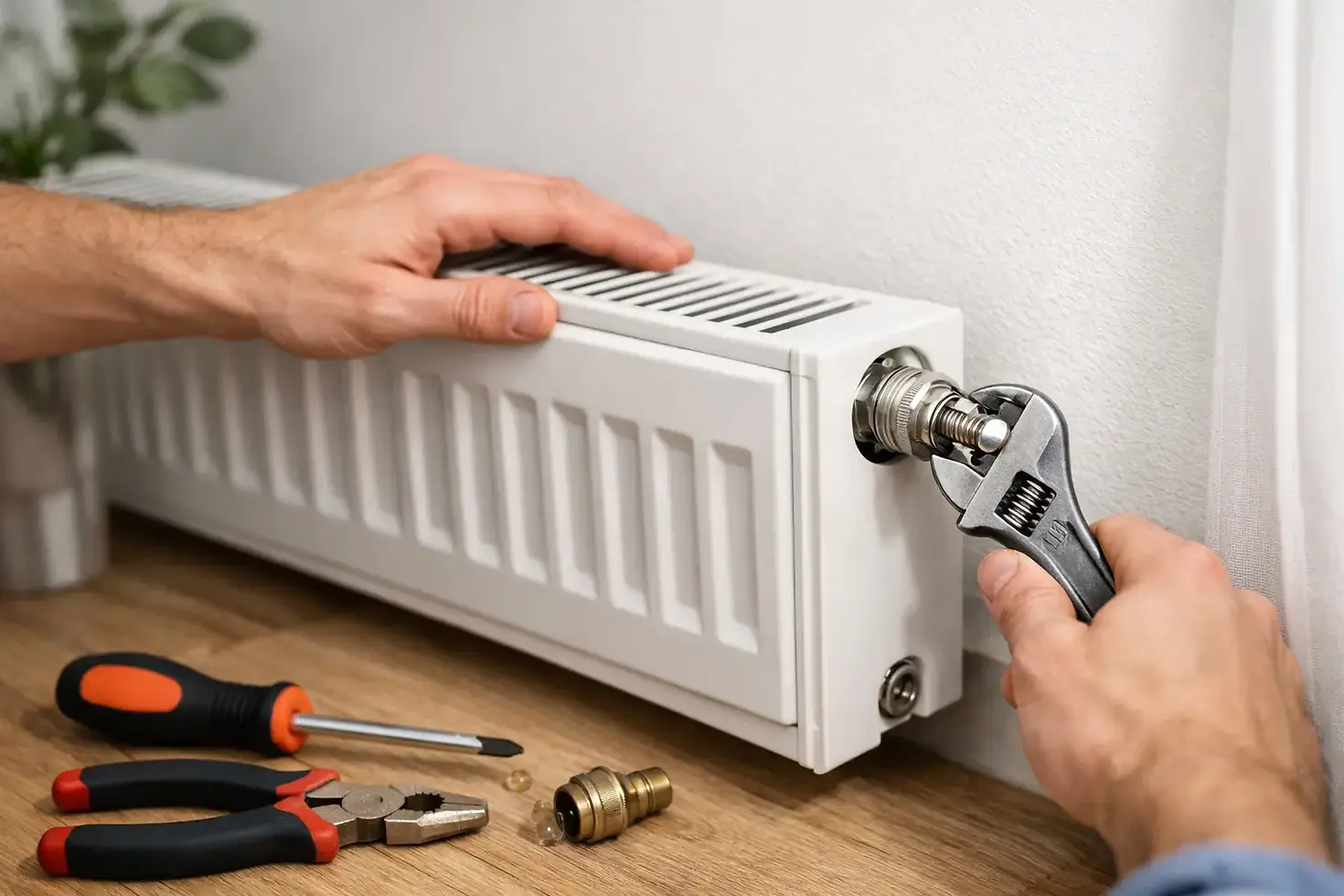
How to Fix a Cold Radiator at Home
- kanepaul
- Jun 26
- 6 min read
A radiator that stays cold while the heating is on usually means something is off in the system, not that the radiator itself has simply stopped working. If you are searching for how to fix a cold radiator, the good news is that a few common checks can often point you in the right direction quickly.
Sometimes the problem is minor, such as trapped air or a valve that has been turned down. Other times, it can be a sign of low boiler pressure, sludge in the system or a circulation issue. The key is to work through the obvious causes first, without forcing anything or taking risks with the heating system.
How to fix a cold radiator: start with the basics
Before looking at anything more technical, make sure the heating is actually on and has had enough time to warm through. It sounds obvious, but timed settings, room thermostats and heating zones catch people out all the time. If only one radiator is cold and the others are heating up normally, the issue is likely local to that radiator.
Put your hand carefully on different parts of the radiator. If it is cold all over, that suggests no hot water is reaching it. If it is warm at the bottom but cold at the top, trapped air is a likely cause. If it is hot at the top and cold at the bottom, that often points to a build-up of sludge restricting the flow.
Also check whether both valves at the bottom of the radiator are open. One side will usually be the thermostatic radiator valve, often with numbers on it, and the other is normally the lockshield valve with a plain cap. If either is fully closed, the radiator may stay cold.
Bleeding a radiator that is cold at the top
If the radiator is warm at the bottom and cold higher up, bleeding it is usually the first thing to try. Air can collect inside the radiator and stop hot water from filling it properly.
Turn the heating off and let the system cool slightly before you start. Hold a cloth under the bleed valve and use a radiator key to open it slowly. You should hear a hiss as trapped air escapes. Once water starts to dribble out steadily, close the valve again.
After bleeding one or more radiators, check the boiler pressure. On many sealed systems, pressure can drop slightly after bleeding and may need topping up. If the pressure is too low, the heating may not circulate properly. Your boiler manual will usually show the correct pressure range, but many domestic systems sit around 1 to 1.5 bar when cold.
If you bleed a radiator and it keeps filling with air, that is worth getting checked. Repeated air in the system can point to a deeper fault rather than a one-off issue.
Check the thermostatic radiator valve
A thermostatic radiator valve can stick, especially if it has not been adjusted for a while or has been left turned down through warmer months. This is a common reason for one radiator staying cold when the rest of the house is warm.
Try turning the valve fully up first. If nothing changes, remove the thermostatic head if it is the type that can be unscrewed by hand. Underneath, you will usually see a small metal pin. That pin should move up and down slightly. If it is stuck in the down position, the valve may not be opening to let hot water through.
You can often free a stuck pin with gentle pressure, but do not force it or grip it hard with tools. The pin only needs a light movement. If it does not move or the valve looks worn, leaking or damaged, it is better to have it replaced properly.
Look at the lockshield valve and system balance
If the valve on the opposite side of the radiator is too far closed, the radiator may not get enough flow. This can happen after decorating, previous repairs or simple trial and error.
Open the lockshield valve a little and see whether the radiator begins to heat. Do this gradually, because opening it too much can affect the balance of the whole heating system. Balancing is the process of making sure all radiators receive the right share of hot water. Without it, some radiators heat very quickly while others stay lukewarm or cold.
This is one of those areas where it depends on the system. In some homes, a small adjustment is all that is needed. In others, poor balancing across several radiators needs a more careful setup.
If the radiator is cold at the bottom
A radiator that is hot at the top but cold at the bottom often has sludge or debris inside it. Over time, corrosion products can build up in the system and settle in the lower part of radiators, restricting flow and reducing heat output.
You might notice other signs too. The heating may take longer to warm up, some radiators may have cold patches, or the boiler may be noisier than usual. In more stubborn cases, the radiator may stay mostly cold even when both valves are open.
A single affected radiator can sometimes be removed and flushed, but this is usually a job people prefer to leave to a heating engineer, especially if the radiator is heavy or the valves are old. If several radiators are affected, the wider system may need cleaning rather than just one unit.
Check the boiler pressure
Low pressure can stop hot water from circulating properly around a sealed heating system. If more than one radiator is underperforming, or the heating feels weak throughout the house, the boiler pressure is worth checking.
Look at the pressure gauge on the front of the boiler. If it is sitting well below the recommended level, the system may need repressurising. The method varies by boiler model, but many use a filling loop underneath.
This is one step where caution matters. Too little pressure causes problems, but too much can do the same. If you are unsure how to top it up safely, or if the pressure keeps dropping afterwards, it is best to get professional help. Persistent pressure loss may suggest a leak or a fault elsewhere in the system.
When one radiator is cold and others are fine
If just one radiator is cold while the rest work normally, the cause is usually one of four things: air in the radiator, a stuck thermostatic valve, a closed valve, or sludge inside that unit. Working through those in order usually gives the clearest answer.
If the radiator stays cold after bleeding, checking both valves and confirming the system pressure is normal, it may need a closer inspection. There could be an internal blockage, a seized valve body or a circulation issue affecting that branch of pipework.
When several radiators are cold
If several radiators are not heating properly, the problem is less likely to be one faulty radiator and more likely to be a system issue. Common causes include poor balancing, low pressure, pump problems or sludge build-up across the system.
In that situation, it makes sense not to keep adjusting every radiator at random. Too many changes at once can make diagnosis harder. A heating engineer can test the system properly and pinpoint whether the fault sits with circulation, controls or the condition of the water in the system.
When to call a professional
Some heating checks are straightforward. Bleeding a radiator or checking a valve setting is usually manageable for most households. Beyond that, there is a point where calling in a professional is the sensible option.
If a radiator is still cold after basic checks, if valves are leaking, if the boiler pressure keeps falling, or if several radiators are affected, a proper diagnosis can save time and avoid making the problem worse. The same applies if you are dealing with older pipework or you are not confident working around the heating system.
For homeowners, tenants and landlords in Exeter, quick local help matters when the heating is not performing as it should. A problem that starts with one cold radiator can sometimes be the first sign of a wider fault, and catching it early is usually cheaper and simpler than leaving it until the system struggles completely.
A few simple ways to avoid the problem returning
Radiators tend to behave better when the heating system is looked after regularly. Bleeding radiators when needed, keeping an eye on boiler pressure and having the system checked if it starts heating unevenly can all help prevent bigger issues.
If a thermostatic valve feels stiff, a radiator takes longer than usual to heat, or you keep noticing cold spots, do not ignore it. Small warning signs often come before a complete loss of heat.
A cold radiator is frustrating, but it is usually fixable with the right checks and a bit of common sense. And if it turns out to be more than a quick fix, getting it sorted properly means a warmer home and one less job hanging over you.


Comments